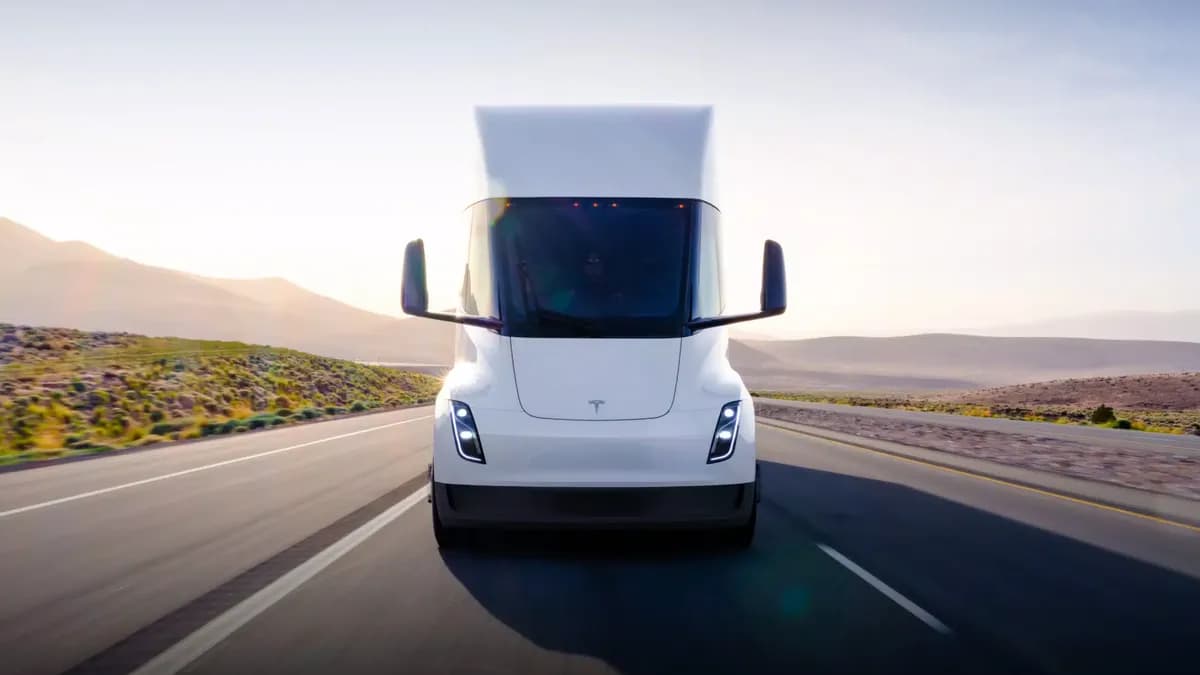
Tesla: The Undisputed King of Charging Infrastructure
The Good
- » The Supercharger network is peerless
- » Industry-leading efficiency (mi/kWh)
- » Aggressive price cuts make them highly competitive
The Bad
- » Build quality inconsistencies on early batches
- » Autopilot/FSD overpromising
- » Minimalist interior isn't for everyone
You can't discuss electric vehicles without discussing Tesla. While legacy automakers spent the 2010s trying to figure out how to make an electric car that wasn't just a compliance vehicle, Tesla built the Model 3 and, crucially, the Supercharger network.
The Reality: If you are someone who frequently takes road trips spanning hundreds of miles, a Tesla remains the safest bet in North America. The integration between the in-car navigation and the Supercharger network removes 99% of "range anxiety." You literally just plug it in and it bills your card.
However, the competition has caught up in driving dynamics and ride quality. Brands like Hyundai, BMW, and Rivian arguably offer better interiors and suspension compliance for the money. Yet, when you factor in Tesla's recent price cuts—bringing a Model Y down to the low $40k range before tax credits—the value proposition is incredibly hard to beat.
Tracked TESLA Models
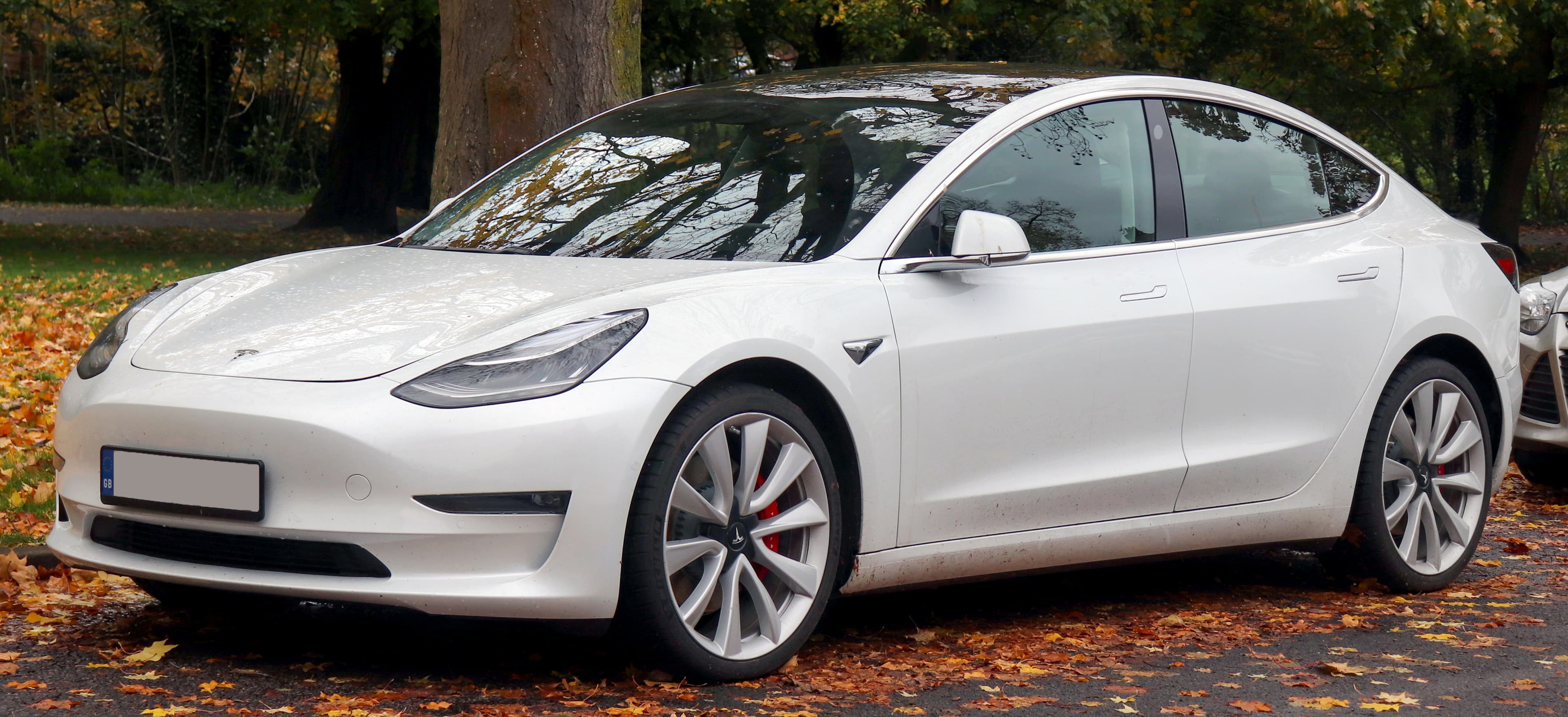
Tesla Model 3
$38,990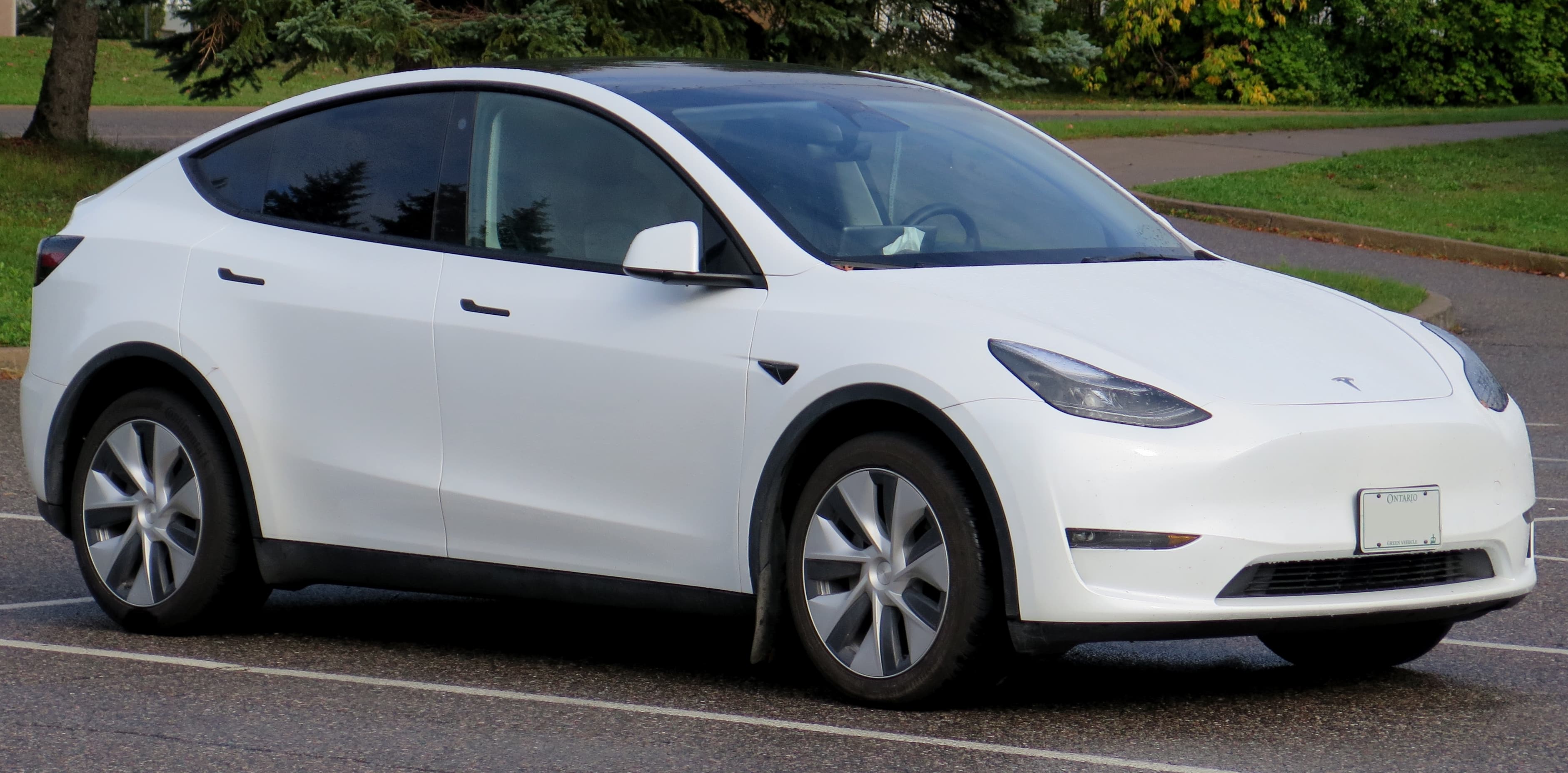
Tesla Model Y
$47,990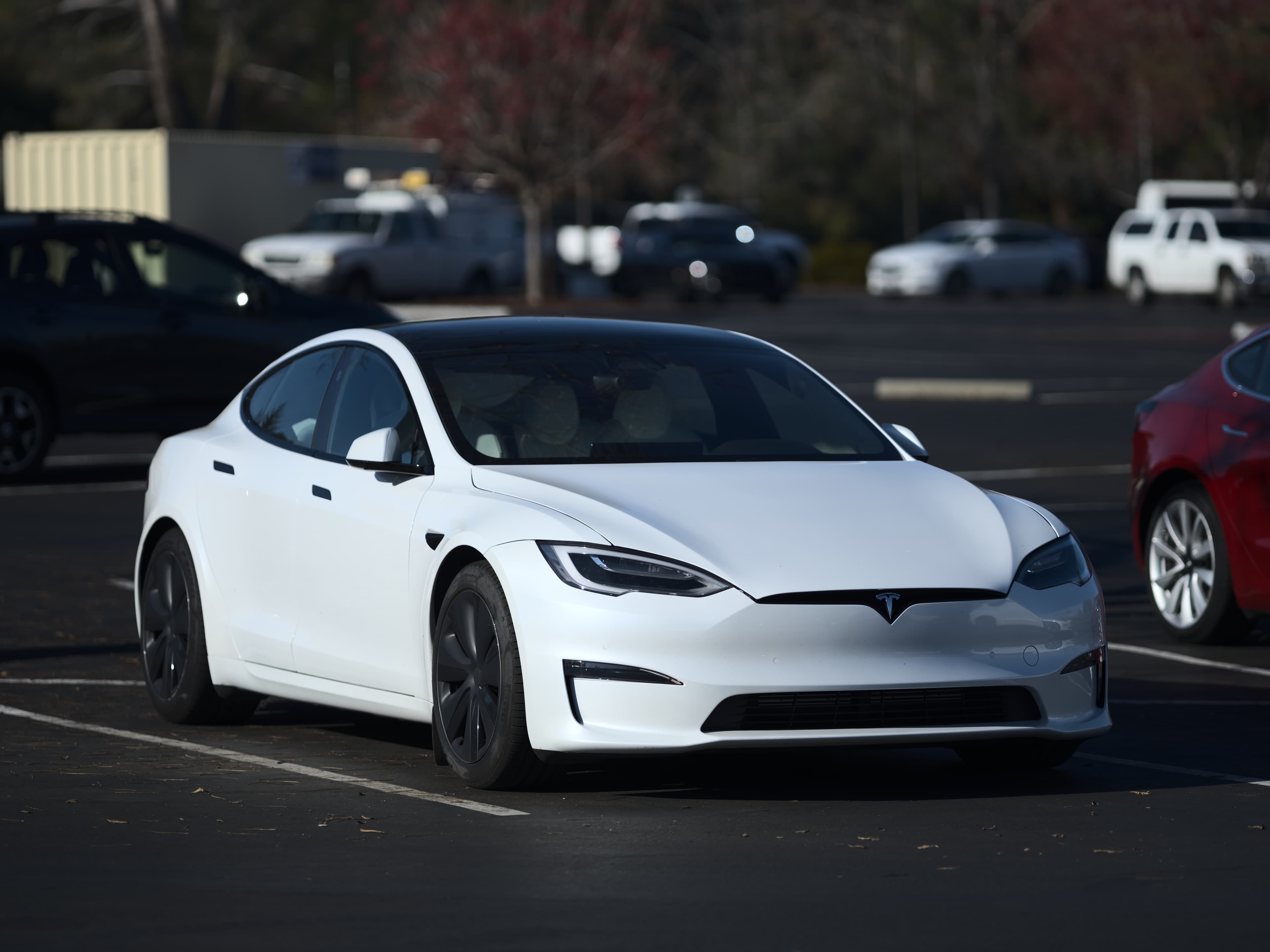
Tesla Model S
$74,990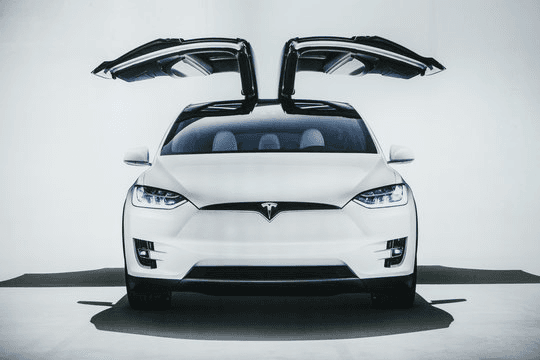
Tesla Model X
$79,990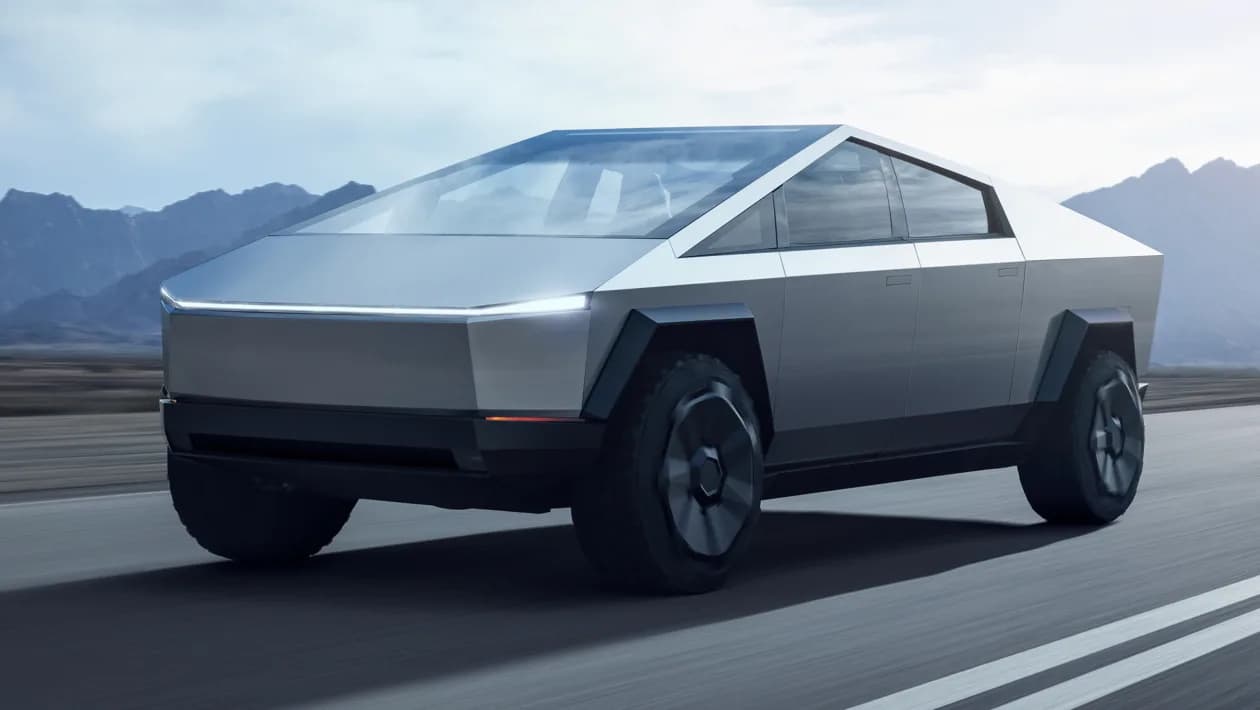
Cybertruck
$79,990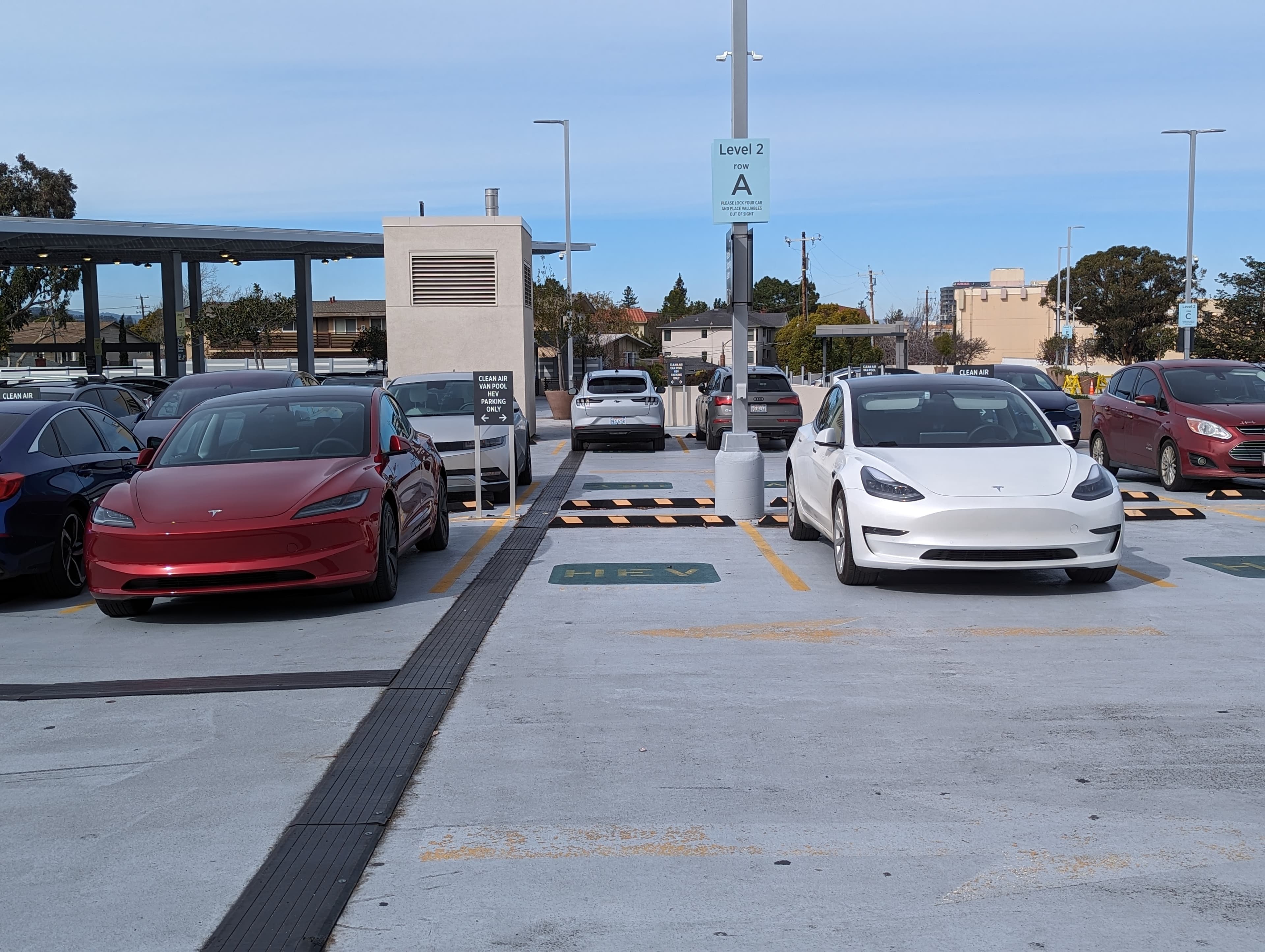
Tesla Model 3 (Highland)
$38,990